

Shine Safely: Non-Toxic Polishing for Wooden Furniture

Chosen theme: Non-Toxic Polishing for Wooden Furniture. Welcome to a place where beautiful wood meets clean, breathable homes. Learn how to create a deep, natural luster without fumes, headaches, or harsh residues—just healthy, lasting radiance for pieces you love.

Why Non-Toxic Polishing Matters

Conventional polishes can release volatile organic compounds that linger and irritate sensitive lungs. Non-toxic options reduce off‑gassing dramatically, keeping nurseries, kitchens, and living rooms fresher. Have you noticed fewer headaches or allergies after switching? Tell us your story and help others breathe easier.

Why Non-Toxic Polishing Matters

Natural oils and waxes nourish fibers from within, hardening into a breathable shield that resists smudges and moisture. Instead of aggressive solvents, you get a gentle, durable finish that highlights grain rather than sealing it under plastic. Curious which formula suits oak, walnut, or maple? Ask in the comments.

Beeswax and Carnauba: The Balanced Duo

Beeswax brings warmth, an easy buff, and a soft glow; carnauba adds hardness and scuff resistance. Blended thoughtfully, they produce a satin sheen that wears gracefully. Prefer a brighter gloss or a matte hush? Adjust the ratio, test a small spot, and share your favorite blend.

Plant Oils: Linseed, Tung, and Walnut

These drying oils polymerize, forming a protective network inside the wood. Tung oil excels at water resistance; raw linseed cures slowly but beautifully; walnut oil offers a silky hand. Mind allergies, avoid heavy-metal dryers, and let each coat cure fully. What’s your climate and curing experience?

Gentle Solvents and Dilution Choices

Citrus-derived d‑limonene and bio-based thinners help oils penetrate without overwhelming odor. Good ventilation still matters, but the scent fades quickly. Keep mixtures simple, label jars clearly, and note dates. Do citrus notes delight or distract you? Tell us which aromas you live with happily.

Step-by-Step Non-Toxic Polishing Method

Dust thoroughly, then wipe with a lightly damp microfiber cloth and a drop of mild soap if needed. Lightly sand with fine paper to open pores, capturing dust with a vacuum and tack cloth. Your goal is clean, smooth wood—not perfection. Share your prep playlist or calming ritual.

Step-by-Step Non-Toxic Polishing Method

Melt one part grated beeswax into three parts jojoba or fractionated coconut oil using a simple double boiler. Stir until silky, cool slightly, and pour into a clean glass jar. Label ingredients and date, then patch-test. Found a perfect texture for your climate? Comment with your proportions.

Stories from the Workshop

A reader rescued a scratched heirloom with three whisper-thin coats of tung oil and a beeswax-carnauba buff. The grain returned like a photograph coming into focus. Every holiday since, they polish together. Have a family piece that deserves gentle care? Share your chapter in its story.

Care, Maintenance, and Troubleshooting

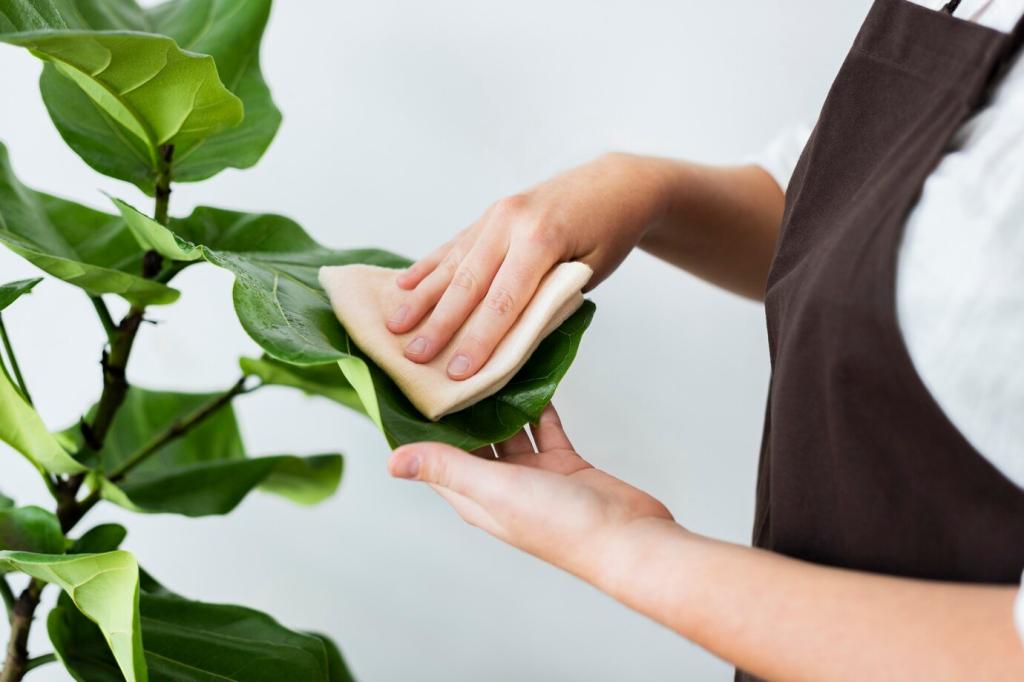
Dust regularly, then buff monthly with a clean cloth to revive luster. Reapply a thin wax coat seasonally on high-touch areas. Avoid silicone sprays that can complicate future refinishing. What’s your maintenance cadence—monthly, quarterly, or on instinct? Tell us what truly fits your life.

Care, Maintenance, and Troubleshooting

For light rings, place a cotton cloth over the spot and pass a warm iron briefly, checking often. Alternatively, a tiny dab of walnut oil or white toothpaste can help on waxed surfaces. Always test first and report back—your careful results guide our community’s confidence.

Lawncarestarsinc
Privacy Overview

This website uses cookies so that we can provide you with the best user experience possible. Cookie information is stored in your browser and performs functions such as recognising you when you return to our website and helping our team to understand which sections of the website you find most interesting and useful.