Eco-Friendly Upholstery Cleaners: A Fresh Start for Your Home
Chosen theme: Eco-Friendly Upholstery Cleaners. Welcome to a cleaner, calmer living space where fabrics feel new, the air is lighter, and every choice you make is gentler on your family and the planet. Join us, share your questions, and help shape a greener home routine.
Why Eco-Friendly Upholstery Cleaners Matter
Conventional cleaners can release volatile organic compounds that linger in soft furnishings and indoor air. Eco-Friendly Upholstery Cleaners favor low-VOC formulas, helping your lounge smell like fabric, not fumes, and keeping allergy-prone noses a little happier, day after day.
Why Eco-Friendly Upholstery Cleaners Matter
Upholstery acts like a sponge, absorbing oils, spills, and cleaning residues. Using Eco-Friendly Upholstery Cleaners minimizes chemical buildup, so you clean the stain without installing a new one in your air. Share your experiences with lingering smells after cleaning.
Natural Ingredients That Actually Work
Derived from coconut, corn, or sugar, plant-based surfactants loosen soils so they release from fibers without harsh residues. In Eco-Friendly Upholstery Cleaners, these surfactants rinse cleaner, helping prevent re-soiling and that sticky feel you sometimes notice after conventional spot treatments.
Natural Ingredients That Actually Work
Targeted enzymes digest complex molecules found in food spills, pet accidents, and sweat. Eco-Friendly Upholstery Cleaners use carefully selected enzyme blends to break stains apart at a microscopic level, reducing the need for strong solvents while preserving fabric texture and color vibrancy.
Natural Ingredients That Actually Work
Citrus terpenes, sodium bicarbonate, and mild organic acids like citric acid can lift odors, brightening fibers without bleaching. In Eco-Friendly Upholstery Cleaners, balanced acidity matters: just enough to move stains, not enough to roughen fibers. Always test discreetly before a full application.
DIY Eco Formulas and Safe Techniques
Mix distilled water, a teaspoon of mild castile soap, and a teaspoon of white vinegar in a refillable bottle. Lightly mist and blot with a clean, lint-free cloth. This Eco-Friendly Upholstery Cleaner freshens surfaces between deep cleans and helps prevent odor compounds from settling.
DIY Eco Formulas and Safe Techniques
For food or pet stains, add an eco enzyme cleaner to cool distilled water, as directed. Apply sparingly, wait several minutes, then blot—don’t rub. This Eco-Friendly Upholstery Cleaner approach reduces agitation, protecting weave integrity while letting biology handle the heavy lifting effectively.
W means water-based cleaners are safe. S prefers solvent-based. WS accepts both with care. X is vacuum-only professional territory. Choose Eco-Friendly Upholstery Cleaners appropriate to the code to avoid rings, color shift, or texture changes that diminish your sofa’s welcoming look.
Fabric Codes and Materials, the Gentle Way
Low-Impact Tools and Smart Habits
Dry soil removal is half the battle. A HEPA-equipped vacuum with a soft upholstery head lifts dust and allergens before wet work. Used alongside Eco-Friendly Upholstery Cleaners, it reduces muddying, shortens drying time, and helps your fabric resist re-soiling between deeper cleans.
A Sofa Story: From Spilled Latte to Like-New
The first five minutes
We blotted immediately with a white cloth, then misted a gentle Eco-Friendly Upholstery Cleaner of distilled water and castile soap. Working outward-in, we kept pressure steady and avoided scrubbing. The coffee halo faded with each pass, leaving no visible ring afterward.
Enzyme patience pays off
A faint protein shadow remained from milk sugars. We applied a tiny amount of eco enzyme cleaner, waited seven minutes, and blotted again. That pause mattered. The stain released without force, preserving the loveseat’s texture and avoiding any rough patches or fiber lift.
Drying and the reveal
We finished with a clean, damp cloth to lift residue, then positioned a fan for gentle airflow. No scent, no stiffness—just fabric, refreshed. Eco-Friendly Upholstery Cleaners made the process feel safe, calm, and repeatable, even with kids and a sensitive-nosed cat nearby.
Choosing Trusted Eco Labels and Smart Buys
Look for credible marks like EPA Safer Choice, EU Ecolabel, Green Seal, or Ecocert. These help confirm safer chemistry and responsible manufacturing. With Eco-Friendly Upholstery Cleaners, third-party vetting reduces guesswork and shields you from marketing-heavy greenwashing claims that overpromise results.

Choosing Trusted Eco Labels and Smart Buys
Prioritize concentrates, aluminum or glass refills, and robust pumps you can reuse. Eco-Friendly Upholstery Cleaners in concentrated form slash transport emissions and waste. Clear dosing lines help prevent overuse, which lowers cost per clean and keeps residues to a sensible minimum every time.
Maintenance and Prevention, the Eco Way

The weekly five-minute ritual
Vacuum cushions and crevices, rotate pillows, and wipe hard armrests. Lightly mist an Eco-Friendly Upholstery Cleaner freshener if needed. These tiny habits stop soil from settling deep, reducing later effort, cost, and the temptation to over-clean with heavier chemistry or wet methods.

Pet-smart strategies
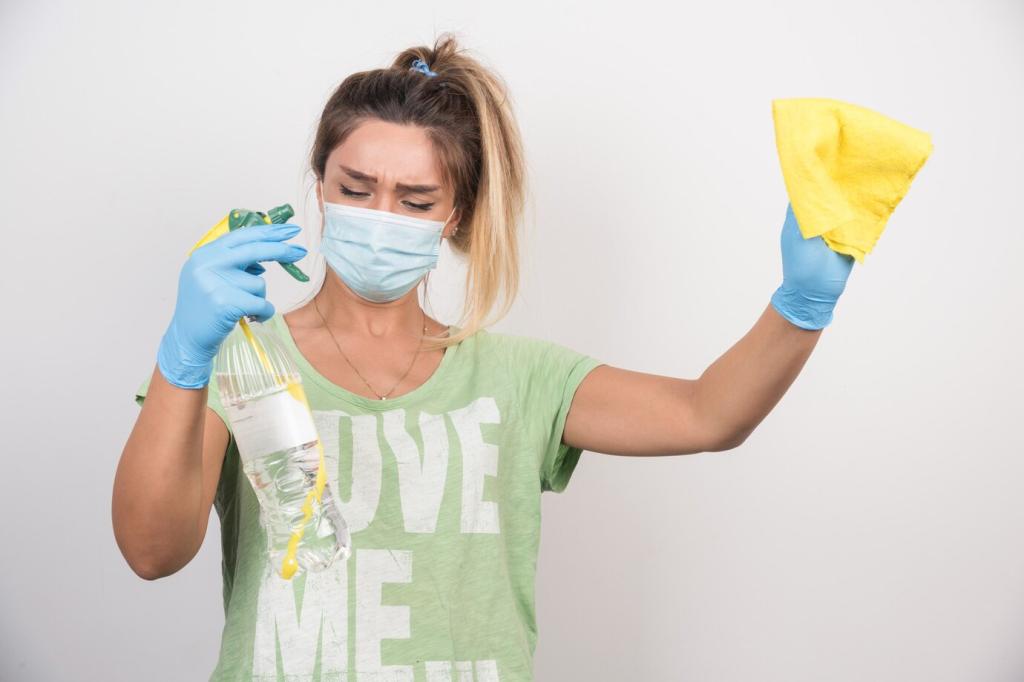
Use washable throws on favorite lounges, brush pets regularly, and keep a ready-to-go Eco-Friendly Upholstery Cleaner and cloth where accidents happen. Fast blotting and enzyme patience prevent odors from bonding. Share your pet-proofing tip—we’re building the ultimate, compassionate, planet-kind playbook together.
Seasonal deep refresh
Every few months, perform a low-moisture deep clean: vacuum thoroughly, spot-treat, then use controlled foam application. Rinse-blot and speed-dry with airflow. Eco-Friendly Upholstery Cleaners paired with ventilation preserves cushion loft, color clarity, and that welcoming, just-cleaned feeling without harsh chemical clouds.